

You’ve published your book and now you’re staring at two platforms that promise to boost your visibility: BookFunnel and BookSprout. Both claim they’ll help you reach more readers, but which one actually delivers?
The BookFunnel vs BookSprout debate isn’t about finding the “perfect” platform — it’s about matching your specific goals to the right tool. One excels at building your email list through free book promotions. The other focuses on generating authentic reviews through advance reader copies.
Why Book Promotion Platforms Matter for Self-Publishers
Most authors hit the same wall after publishing. You’ve got a great book, but nobody knows it exists.
Traditional marketing feels overwhelming. Social media posts get lost in the noise. Paid ads drain your budget without clear returns. Book promotion platforms solve this by connecting you directly with readers who are actively looking for new books in your genre.
These platforms work because they’ve built communities of engaged readers. BookFunnel and BookSprout each approach this differently, which is why choosing the wrong one can waste months of effort.
The key is understanding what each platform actually does — not what their sales pages promise.
What BookFunnel and BookSprout Actually Do
BookFunnel operates as a book delivery service that runs large-scale promotional campaigns. Authors submit their books to group promotions organized around specific genres or themes. Readers discover these promotions and download multiple books at once, usually in exchange for their email address.
BookSprout takes a different approach. It connects authors with advance readers who request review copies of upcoming or recently published books. Readers browse available titles, request the books they want, and typically leave reviews on Amazon, Goodreads, or other platforms after reading.
Think of BookFunnel as a lead generation tool and BookSprout as a review acquisition platform. Both help with book discovery, but they serve different phases of your marketing strategy.
BookFunnel Features: Strengths and Limitations
BookFunnel’s main strength lies in its group promotion system. Popular promotions can expose your book to thousands of readers in a single campaign. The platform handles all the technical delivery — readers get clean, properly formatted files that work across all devices.
The platform also offers individual author tools. You can create your own landing pages for lead magnets, deliver review copies to beta readers, and track download analytics.
Like any platform, BookFunnel comes with some limitations.
- Group promotions require approval from organizers. Popular promotions often have long waiting lists or strict genre requirements. Your book needs professional-quality cover design and compelling blurbs to get accepted into the best campaigns.
- The readers you reach through BookFunnel are primarily bargain hunters and series readers. They download multiple books but may not read them all. Email engagement rates can be lower than readers who find you through other channels.
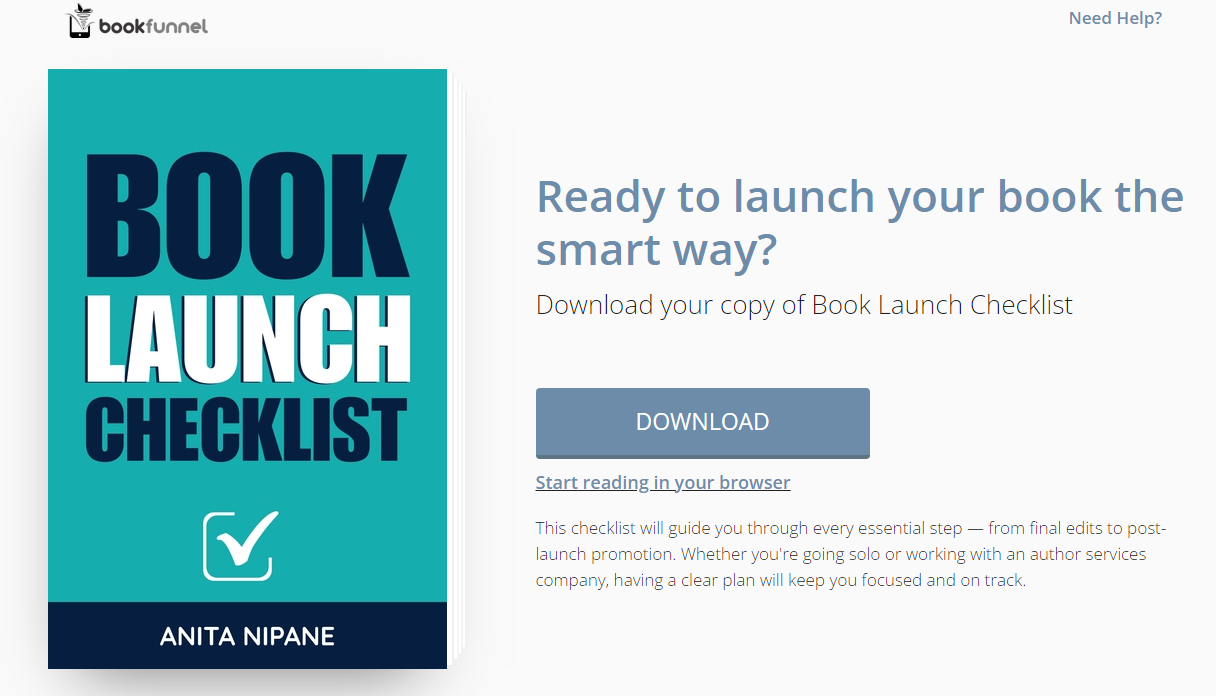
Example of a BookFunnel landing page
BookSprout Features: What Sets It Apart
BookSprout specializes in helping authors distribute advance review copies and connect with readers interested in reviewing new books. The platform tracks reviewer activity, helping authors identify reliable reviewers and build long-term review teams. Authors can schedule campaigns ahead of launch dates, distribute review copies, and encourage reviews across multiple retailers.
While a free account is available, running review campaigns requires a paid subscription, with larger plans offering additional capacity and features.
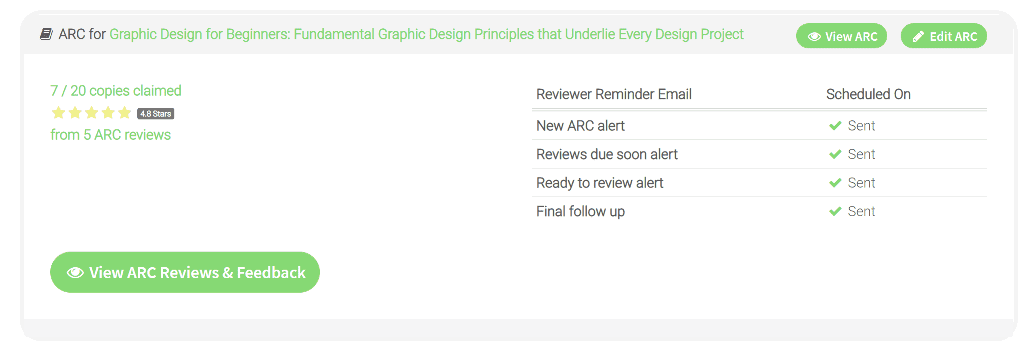
BookSprout review statistics dashboard
Head-to-Head Comparison: Pricing, Ease of Use, and Results
| Feature | BookFunnel | BookSprout |
|---|---|---|
| Monthly cost | $20 (Mid-list) / $30(Bestseller) | $9 (Starter) / $59 (Publisher) |
| Primary benefit | Email list building | Review generation |
| Setup difficulty | Moderate (requires approvals) | Easy (direct submission) |
| Reader quality | Mixed (bargain hunters) | High (dedicated reviewers) |
| Best for | Lead magnets, series promotion | Launch reviews, credibility |
BookFunnel requires more upfront work. You need to create a landing page for your book and apply for group promotions, often weeks in advance. Organizers review submissions and may reject books that don’t meet their standards. However, successful campaigns can reach massive audiences.
BookSprout offers immediate results. You can set up a campaign and start receiving requests within hours. The approval process is minimal — most books get accepted unless they violate content policies.
For email building, BookFunnel wins decisively. A successful group promotion can add hundreds or thousands of subscribers in a week. BookSprout generates far fewer email signups since readers primarily engage through the review process.
For review generation, BookSprout provides more reliable results. BookFunnel readers often download books without reading them. BookSprout readers specifically request books they intend to review.
Which Platform Works Best for Different Author Goals
Choose BookFunnel if you’re building a series and need to grow your email list aggressively. The platform works best for authors who can commit to regular promotional campaigns and have professional-quality book presentations.
Romance, thriller, and fantasy authors often see the best results on BookFunnel. These genres have active reader communities that participate heavily in group promotions. Box sets and series starters perform particularly well.
BookSprout makes more sense for authors prioritizing credible reviews over massive reach. It’s ideal for literary fiction, memoirs, and nonfiction where thoughtful reviews matter more than download volume.
New authors should consider starting with BookSprout. The platform is more forgiving for books without established audiences. Getting 10-15 genuine reviews helps with algorithm visibility and reader confidence more than 500 unengaged email subscribers.
How to Set Up Your First Campaign on Either Platform
For BookFunnel, start by creating your author account and uploading your book files. Focus on writing compelling book descriptions since promotion organizers use these to evaluate submissions.
Browse the available group promotions in your genre. Look for campaigns with good organizer ratings and reader engagement history. Apply early — popular promotions fill up quickly.
Set up your email capture integration before the campaign goes live. BookFunnel can export subscriber data, but you’ll want it flowing directly into your email marketing platform.
For BookSprout, begin by completing your author profile with professional photos and bio information. Upload your book with attention to the book description — this is what readers use to request copies.
Set your campaign parameters carefully. Specify which review platforms you prefer and how many copies you want to distribute. Start with smaller campaigns to gauge response before committing to larger distributions.
Monitor requests actively. BookSprout shows reviewer profiles and completion rates. Prioritize requests from readers with good review histories in your genre.
Both platforms offer free trials or starter credits. Test them with smaller campaigns before committing to paid plans. Track your results carefully — what works varies significantly between genres and audiences.