
You’ve got your manuscript ready and now comes the question every author faces: how do you get it into readers’ hands? Most authors waste money choosing the wrong promotional platform because they don’t understand the fundamental difference between BookFunnel vs NetGalley.
BookFunnel connects you directly with readers who want your book. NetGalley routes everything through industry gatekeepers who might never read past your cover.
That’s not a minor detail. It’s the deciding factor between campaigns that build your audience and campaigns that drain your budget.
How to Evaluate Book Promotion Platforms
Most authors approach platform selection backwards. They look at features and pricing first, then wonder why their campaigns flop.
The real question isn’t what each platform offers — it’s who they serve.
Start with your book launch goals. Are you building a reader list for future releases? Getting industry recognition? Generating authentic reviews? Each goal points to different platforms and different success metrics.
Then examine the audience. BookFunnel serves readers directly — people actively seeking new books in your genre. NetGalley serves librarians, bloggers, and industry professionals who influence book discovery but may not be your ideal readers.
The platform mechanics matter too. BookFunnel lets you control the entire reader experience from discovery to download. NetGalley inserts review requirements and approval processes that can kill momentum.
What BookFunnel and NetGalley Actually Do (The Real Difference)
BookFunnel is a book delivery system that happens to include promotion features. You upload your book, set up campaigns, and readers download directly from you. You own the relationship.
NetGalley is a professional review network. Publishers and authors offer advance copies to credentialed reviewers in exchange for honest feedback. The reviewer relationship belongs to NetGalley.
Here’s what that means practically: BookFunnel can help you build your mailing list when campaigns are configured to collect subscriber information. When someone requests your book on NetGalley, they might review it — or they might not — and you have zero ongoing connection.
BookFunnel readers expect entertainment value. NetGalley reviewers expect professional evaluation criteria.
The review quality differs too. BookFunnel generates reader reviews — emotional responses that influence purchasing decisions. NetGalley generates professional reviews — analytical assessments that influence industry credibility.
BookFunnel Deep Dive: Features, Pricing, and Best Use Cases
BookFunnel operates on three main functions: book delivery, promotional campaigns, and audience building.
The delivery system handles multiple formats automatically. Upload an ePub file and BookFunnel converts it for Kindle, Apple Books, and direct reading. Readers get download instructions that actually work — no technical headaches.
Promotional campaigns come in several flavors. Group promotions bundle multiple authors in the same genre — romance, mystery, business — and cross-promote to combined audiences. Solo promotions spotlight your book alone. Newsletter swaps connect you with other authors for audience sharing.
BookFunnel offers several subscription tiers that vary depending on features such as reader magnets, promotions, and ARC distribution. Check their website for current pricing.
BookFunnel works best for:
- Fiction authors building series readership
- Business authors growing email lists
- New authors establishing their first reader base
- Established authors launching new genres
Genres with highly engaged newsletter communities, such as romance and mystery, often see particularly strong results on BookFunnel.
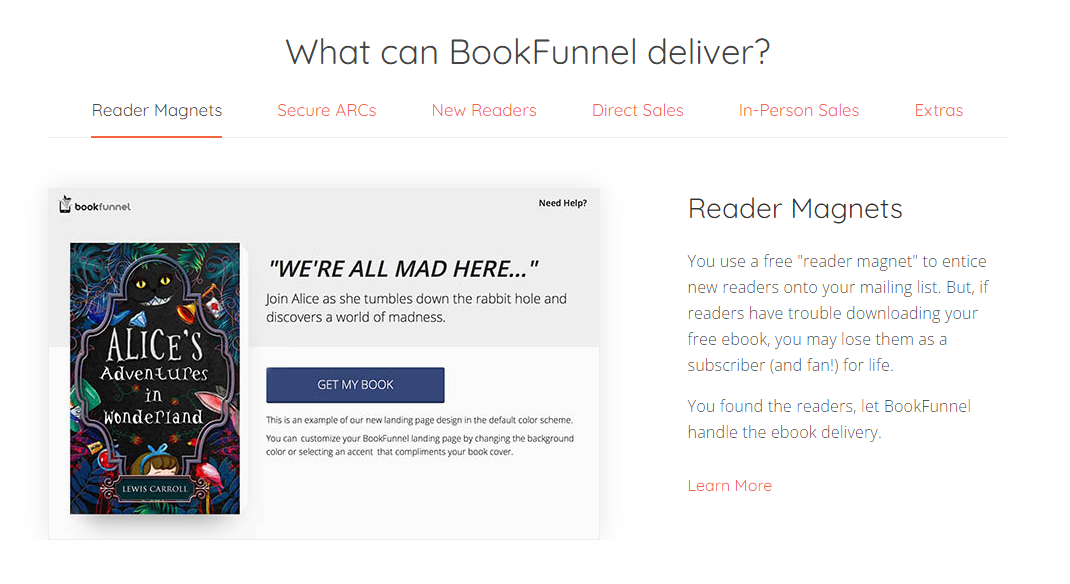
BookFunnel features
NetGalley Breakdown: How It Works and Who It’s Really For
NetGalley operates as a controlled access library. You submit your book for review consideration. Professional reviewers — librarians, bloggers, industry influencers — request advance copies based on their interests and review history.
The approval process matters. NetGalley reviewers must maintain review ratios and credibility scores. They can’t just grab books and disappear. This creates higher review completion rates but smaller request numbers.
Pricing runs differently than BookFunnel. NetGalley campaigns typically cost several hundred dollars, with exact pricing depending on listing type and promotional options. Featured placements cost significantly more — often $1,000+ depending on genre and promotion level.
The reviewer pool includes library acquisition specialists, book bloggers with established audiences, industry trade publications, and bookstore buyers. These aren’t casual readers browsing for entertainment.
NetGalley excels for:
- Traditional publishers seeking industry validation
- Literary fiction competing for awards consideration
- Nonfiction authors targeting academic or professional markets
- Authors prioritizing library and bookstore placement
NetGalley’s higher cost means it often provides better ROI for books where professional reviews, library placement, or industry visibility are priorities.
Netgalley platform
Head-to-Head: BookFunnel vs NetGalley Feature Comparison
The analytics tell different stories too. BookFunnel tracks downloads, email signups, and reader engagement over time. NetGalley measures review completion rates, reviewer reach, and industry impact.
BookFunnel integrates with email marketing platforms like ConvertKit and Mailchimp. NetGalley focuses on review tracking and industry relationship management.
Support quality favors BookFunnel for most authors. Their team understands self-publishing challenges and responds quickly. NetGalley support assumes traditional publishing knowledge and processes.
Which Platform Should You Choose Based on Your Goals
Choose BookFunnel if you’re building a sustainable author business. Successful promotions can help authors grow their mailing lists, although results vary widely. The email list growth alone justifies the monthly cost for most authors.
Choose NetGalley if you need industry validation for a specific book. Think literary award submissions, academic credibility, or traditional publishing consideration. The cost makes sense as a one-time investment in professional positioning.
Consider both if you’re publishing different types of books. Use NetGalley for your serious literary work and BookFunnel for commercial fiction or practical nonfiction.
Skip both if you’re just starting out. Focus on writing more books first. One great book promoted through free book promotion sites often works better than expensive campaigns for mediocre content.
Your budget matters too. BookFunnel’s monthly model lets you test and adjust. NetGalley’s upfront cost demands more confidence in your book’s quality and market fit.
How to Set Up Your First Campaign (Step-by-Step)
For BookFunnel: Start with a group promotion rather than going solo. Browse their genre-specific campaigns and join ones with 10-20 participating authors. Avoid mega-promotions with 50+ books — you’ll get lost.
Upload your book in ePub format for best results. Write a compelling book description focused on reader benefits, not plot summary. Set up your landing page to capture emails in exchange for the free book.
For NetGalley: Submit your book 2-3 months before your official publication date. Professional reviewers need lead time for scheduling. Include professional cover art, complete manuscript, and clear genre classification.
Write your book description for industry professionals, not readers. Mention comparable titles, target market size, and marketing plans. NetGalley reviewers evaluate commercial viability alongside content quality.
Set realistic expectations for both platforms. BookFunnel might generate 50-200 downloads per group promotion. NetGalley might produce 5-15 professional reviews over 4 months. However results vary widely depending on genre and promotion size.
Common Mistakes That Kill Your ROI on Both Platforms
The biggest BookFunnel mistake is treating it like advertising instead of relationship building. Authors upload mediocre books, skip the email follow-up, and wonder why sales don’t follow. BookFunnel works when you nurture the relationship after the download.
NetGalley’s common failure is submitting books before they’re truly finished. Professional reviewers spot amateur formatting, weak editing, and rushed content immediately. A single bad review from a credible source can damage your reputation for years.
Timing kills campaigns on both platforms. BookFunnel promotions work best when you have a follow-up book releasing within 3-6 months. NetGalley campaigns should align with your official publication schedule to maximize review timing.
Genre mismatch wastes money everywhere. BookFunnel readers browse for entertainment and escape. NetGalley reviewers evaluate market positioning and professional execution. A self-help book might succeed on BookFunnel but struggle on NetGalley if it lacks industry credibility.
Poor book descriptions sink both campaigns. BookFunnel descriptions should hook browsers with emotional benefits. NetGalley descriptions should convince professionals this book matters to their audience or collection.
The follow-up determines everything. BookFunnel downloads mean nothing without email nurturing and future book promotion. NetGalley reviews mean nothing unless you leverage them for marketing and credibility building.
Success comes down to matching platform strengths with your actual goals, not your wishful thinking.