

You’ve published your book and added the Amazon link to your website. A reader clicks it, discovers they prefer Barnes & Noble, and leaves without buying.
That lost sale isn’t unusual. Many authors miss potential sales when readers prefer to buy from retailers other than Amazon.
The solution isn’t more links cluttering your site. It’s universal book links — single URLs that detect where your reader shops and redirect them accordingly. These 5 platforms for universal book links turn one clean link into a gateway that captures readers across all major retailers.
Why Direct Amazon Links Could Be Costing You Book Sales
Most authors default to Amazon because it’s the biggest player. That makes sense for visibility, but not for conversions.
Here’s what happens: readers have preferences. Some refuse to buy from Amazon for ethical reasons. Others have gift cards for specific retailers. Many simply prefer the app they already have installed.
When you only provide an Amazon link, you’re betting that every potential buyer shares your platform preference. That’s a losing bet.
Universal book links solve this by removing friction. One link, all retailers. The reader goes where they want to buy, you get the sale.
What Are Universal Book Links and How Do They Work?
A universal book link is a single URL that redirects readers to their preferred bookstore. Think of it as a smart traffic director.
The process is simple: the platform detects the reader’s location and device, then shows them purchasing options from retailers that serve their region. No guesswork, no extra clicks to hunt down alternatives.
Most platforms support major retailers like Amazon, Barnes & Noble, Apple Books, Kobo, Google Play Books, and dozens of smaller stores. Some even include libraries and subscription services.
The reader clicks your link, sees their options, and buys from their preferred store. You track the click-through rates and can see which retailers perform best for your audience.
The Hidden Benefits of Universal Book Links
Distribution is the obvious benefit, but smart authors use these platforms for insights that shape their entire publishing strategy.
Click data reveals reading habits you can’t see elsewhere. If 40% of your clicks go to Apple Books, you know your audience skews toward iOS users. If Kobo performs well, international readers are finding you.
This intelligence informs where you spend marketing dollars. Why run Facebook ads targeting Android users if your data shows 70% prefer Apple Books?
Universal links also improve your professional appearance. One clean link in your email signature, social media bio, or business card beats a paragraph of retailer URLs.
Some platforms add additional marketing features: reader magnets, author newsletters, book discovery widgets. You’re not just distributing — you’re building a complete reader engagement system.
BookLinker Review: A Free Tool for Creating Smart Book Links
BookLinker is a simple and affordable tool for creating universal book links. You can generate smart links in minutes, helping readers find the right Amazon storefront or choose from multiple retailers through a single landing page.
One of BookLinker’s standout features is affiliate link support, allowing authors to earn Amazon Associates commissions from qualifying purchases. It also offers a free plan for basic use, while BookLinker Pro adds features such as custom domains, enhanced analytics, and additional customization options.
For authors looking for an easy-to-use universal book link solution with built-in monetization opportunities, BookLinker is a solid choice.
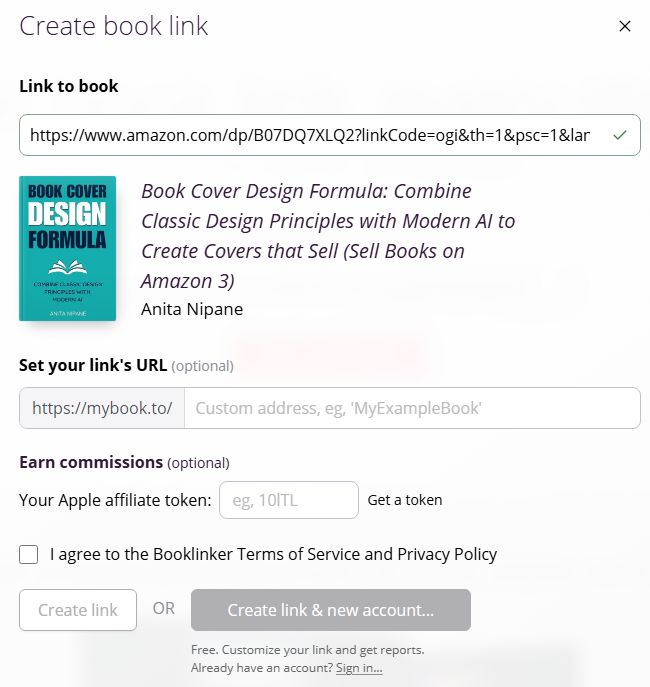
Example of a BookLinker universal book link landing page
| Feature | BookLinker |
|---|---|
| Price | Free plan available; Pro plans available |
| Affiliate support | Yes |
| Custom domains | Pro only |
| Analytics | Basic (Free), enhanced (Pro) |
| Best for | Authors seeking a simple universal book link tool with affiliate support |
Books2Read Review: Advanced Features for Wide Authors
Books2Read targets authors serious about wide distribution. The platform supports over 30 retailers and includes tools for managing complex book catalogs.
Books2Read shines with its retailer coverage. Beyond obvious players like Amazon and Apple, you’ll find niche stores, international retailers, and subscription services. If your book is available somewhere, Books2Read probably links to it.
The analytics reveal reader behavior patterns you can act on. Geographic breakdowns show where your international audience lives. Device data helps optimize your book descriptions for mobile or desktop readers.
StoryOrigin Review: Universal Links with Powerful Marketing Insights
StoryOrigin combines universal book links with a full marketing platform designed for indie authors. You’re not just distributing books — you’re building reader relationships.
The universal link feature integrates with StoryOrigin’s reader magnet system. Offer a free sample chapter in exchange for email addresses, then redirect readers to purchase links. It’s lead generation and sales in one smooth process.
Cross-promotion tools let you swap promotional opportunities with other authors. Your link appears in their newsletters, theirs in yours. The built-in networking effect amplifies your reach beyond your existing audience.
Analytics go deeper than click tracking. You’ll gain insights into link clicks, reader magnet downloads, email signups, and engagement metrics. This data helps optimize not just your links, but your entire marketing funnel.
The platform works best for authors already building email lists and running reader magnets. If you’re just starting out, the complexity might overwhelm. But for authors serious about reader engagement, StoryOrigin provides tools you’ll use daily.
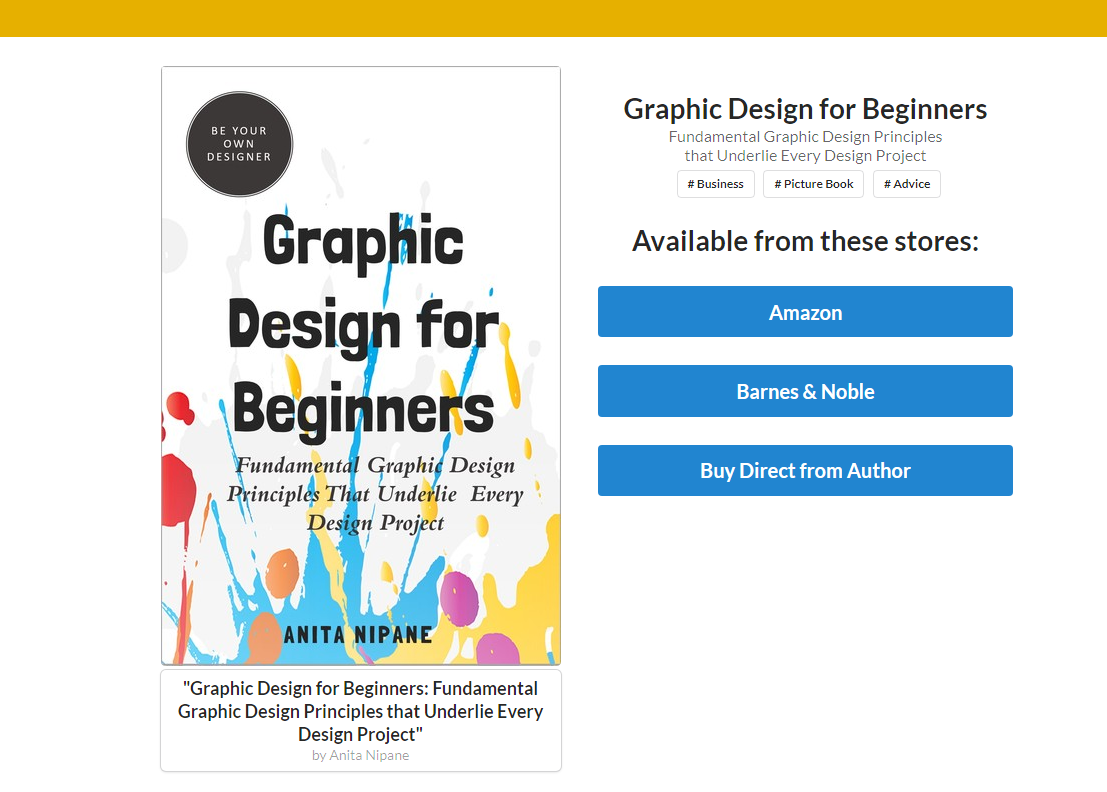
Example of a StoryOrigin book links landing page
Geniuslink Review: Smart Book Links with Advanced Tracking
Geniuslink approaches universal links from a performance marketing angle. Every click gets tracked, analyzed, and optimized for maximum conversions.
The platform’s strength is geographic intelligence. Links automatically route readers to the best retailer for their location — Amazon US for Americans, Amazon UK for British readers, local alternatives where Amazon isn’t dominant.
Pricing scales with usage, making Geniuslink cost-effective for smaller authors while supporting enterprise-level campaigns. The free tier covers basic needs, but advanced features require paid plans.
BookFunnel Review: Combining Book Delivery and Reader Links
BookFunnel specializes in book delivery — getting ebooks to readers in their preferred format and device. Universal links complement this core service.
The platform excels at handling complex delivery scenarios. Reader magnets, review copies, preorder bonuses — BookFunnel ensures books reach readers regardless of technical complications.
Universal links work within this delivery framework. Instead of sending readers directly to retailers, you can route them through BookFunnel’s system for a more controlled experience.
This approach works particularly well for book launches and promotional campaigns. Deliver exclusive content through BookFunnel, then redirect to purchase links for the full book. The reader experience stays smooth while you maintain control over the journey.
Reader communication tools help manage expectations and provide support. If someone struggles with downloads, BookFunnel’s system can help resolve issues without author intervention.
The focus on delivery means universal links aren’t the primary feature. If you primarily need link distribution without the delivery complexity, simpler platforms might serve you better. But for authors running sophisticated promotional campaigns, the integration provides real value.
How to Choose the Best Universal Book Link Generator
Your publishing approach determines which platform serves you best. Wide authors have different needs than Amazon-exclusive publishers.
For simple link sharing, BookLinker provides everything necessary without complexity or cost. Generate links, share them, track basic metrics. Perfect for authors testing the waters.
Books2Read suits authors with multiple books who want detailed reader insights. The analytics help refine marketing strategies, and the retailer coverage ensures maximum distribution.
StoryOrigin makes sense for authors building email lists and running reader magnets. The marketing integration adds value beyond simple link distribution.
Geniuslink serves authors focused on conversion optimization. If you’re running paid advertising or have significant traffic, the advanced analytics justify the complexity.
BookFunnel works for authors managing complex promotional campaigns with exclusive content and reader magnets. The delivery system adds capabilities you can’t get elsewhere.
Consider your current workflow, technical comfort level, and marketing sophistication. Start simple and upgrade as your needs grow more complex.
| Platform | Best For | Price | Key Strength |
|---|---|---|---|
| BookLinker | Testing universal links | Free | Simplicity |
| Books2Read | Wide distribution | Free | Retailer coverage |
| StoryOrigin | Marketing integration | Free | Reader engagement |
| Geniuslink | Conversion optimization | $9-49/month | Analytics depth |
| BookFunnel | Book delivery | $20/month | Complex campaigns |
How to Create a Universal Book Link in Under 10 Minutes
Setting up your first universal link requires just your book’s basic information and a few simple steps.
- Start with your Amazon link — most platforms use this as the foundation. Copy the full URL from your book’s Amazon page, including the ASIN (the 10-character code in the URL).
- Paste your Amazon URL, and the platform automatically pulls book details — title, author, cover image, description.
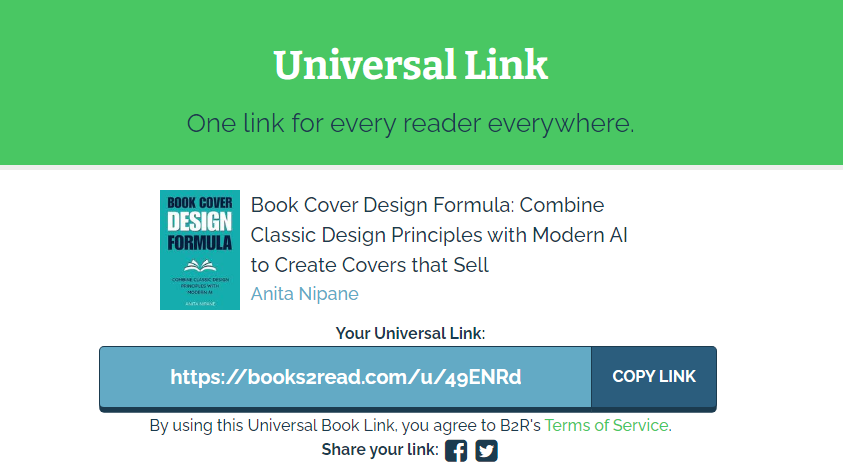
Example of Books2Read
- Verify the information is correct, then add additional retailer links if you have them. Books2Read can auto-search for your book on other platforms, saving manual work.
- Customize your landing page if the platform offers this feature. Add your author bio, links to your website or social media, and any promotional messaging.
- Generate your universal link and test it. Open the link in different browsers and devices to ensure it works correctly.
- Replace existing retailer links in your marketing materials with the universal link. Update your website, email signature, social media profiles, and business cards.
- Monitor performance through the platform’s analytics. Track which retailers generate the most clicks and adjust your marketing focus accordingly.
The right universal book link platform becomes invisible to readers while providing useful insights to authors. Your marketing materials stay clean, readers find their preferred retailers, and you capture sales that would otherwise slip away.
Start with one platform and test it against your current direct linking approach. The data will show you whether universal links improve your conversion rates and provide the audience insights worth the effort.
Universal links don’t just distribute books more effectively — they reveal audience preferences that shape smarter marketing decisions across every channel.