
You’ve opened a browser tab to start writing your nonfiction book. The blank document stares back at you. And then it hits — what should you call this thing?
Your book title isn’t just decoration. It’s your first sales pitch, working 24/7 on Amazon while you sleep.
The difference between a book that sells and one that gets buried? Often, it comes down to how to choose a book title that grabs attention in those crucial three seconds of browsing.
Why Your Book Title Makes or Breaks Your Sales
Let’s be direct about this. You have three seconds to grab someone’s attention on Amazon.
Three seconds.
That’s how long a potential reader will spend looking at your cover before moving on to the next book. Your title needs to work harder than any other element on that page.
A strong title does three things instantly:
- Tells readers exactly what problem you solve
- Makes clear who the book is for
- Promises a specific outcome or benefit
Miss any of these, and your book disappears into Amazon’s endless catalog.
The Two-Part Book Title Formula
Most successful nonfiction books use a simple structure: main title plus subtitle.
The main title is short — two to five words maximum. Why? Fewer words mean larger text on your cover and easier recall for readers browsing dozens of options.
The subtitle does the heavy lifting. It explains what the book does, includes search keywords, and often specifies the target audience.
Take this example: “Atomic Habits” (main title) + “An Easy & Proven Way to Build Good Habits & Break Bad Ones” (subtitle).
The main title is memorable. The subtitle promises specific results.
5 Proven Tactics for How to Choose a Book Title
1. Lead with the Solution, Not the Topic
Nonfiction readers buy books to solve problems. Your title should promise that solution upfront.
Compare these two approaches:
Weak: “The Visual Design Principles for Advertisers & Marketers”
Strong: “Improve Your Marketing Results with Visuals That Sell”
The first title tells you what the book covers. The second tells you what you’ll achieve.
Always choose achievement over information.
2. Name Your Audience Directly
The more specific you are about who this book serves, the better it converts.
You can name them directly: “Dog Owner’s Home Veterinary Handbook.”
Or describe their situation: “How to Raise an Adult: Break Free of the Overparenting Trap and Prepare Your Kid for Success.”
Vague titles attract vague interest. Specific titles attract buyers.
3. Use Numbers for Instant Credibility
Numbers work because they suggest structure and achievability.
They stand out visually among letters. They imply that big goals can be broken into manageable steps.
Consider these approaches:
- Structure your content: “100+ Free Tools to Create Visuals for Web & Social Media”
- Make goals seem achievable: “10 Steps to Self-Esteem”
- Emphasize speed: “You Can Draw in 30 Days”
You can even combine tactics: “10 Steps to Self-Esteem in 10 Days” uses both structure and timeline.
4. Include Keywords for Amazon Discovery
Unless you have a massive marketing budget, your book needs to be discoverable through search.
Research what phrases your target readers type into Amazon. Tools like Publisher Rocket can show you exactly which keywords get searches and have reasonable competition.
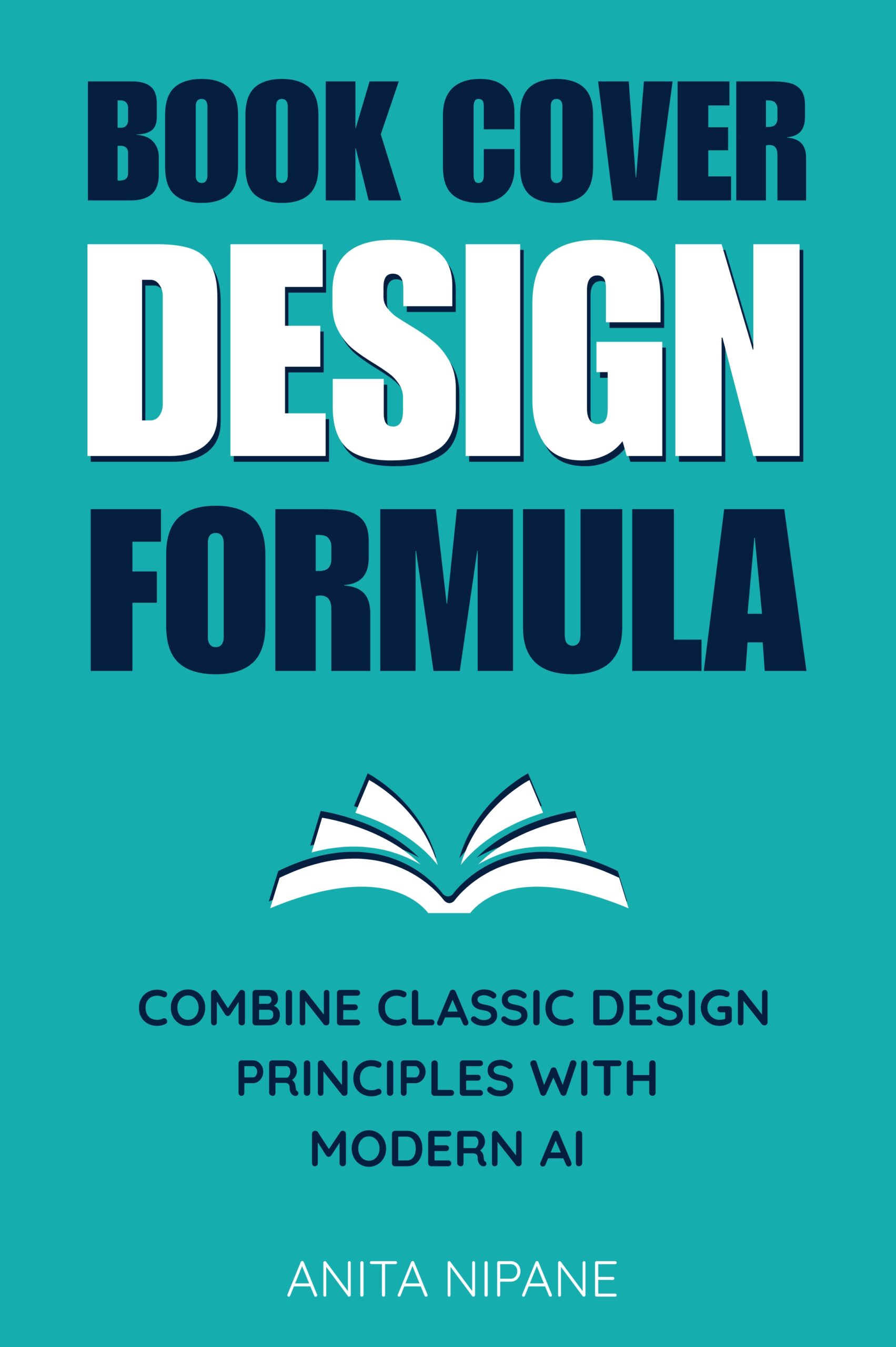
Then work those phrases into your title naturally. “Book Cover Design Formula: Complete DIY Book Cover Design Guide” includes the main keyword “book cover design” twice — once in the title, once in the subtitle.
Famous authors can ignore keywords because their name sells books. The rest of us need discoverability.
5. Create Curiosity with Unexpected Elements
If you have a strong platform and marketing plan, you can afford to be more creative.
“Trust Me, I’m Lying: Confessions of a Media Manipulator” works because the contradiction between “trust me” and “I’m lying” creates irresistible curiosity.
Notice there are no obvious keywords here. The author can afford to ignore Amazon’s algorithm because he has other ways to drive traffic.
Most of us don’t have that luxury.
What History Teaches Us About Book Titles
In the 1920s, Emanuel Haldeman-Julius sold over 200 million books through mail order. His secret? He tested everything.
His ads contained only book titles — no descriptions, no sales copy. Customers chose books based purely on titles.
The experiment revealed something crucial: the right title can sell a book all by itself.
Haldeman-Julius would test multiple titles for the same content, measuring which versions sold more copies. The winners always followed the same patterns we use today — clear benefits, specific audiences, and compelling promises.
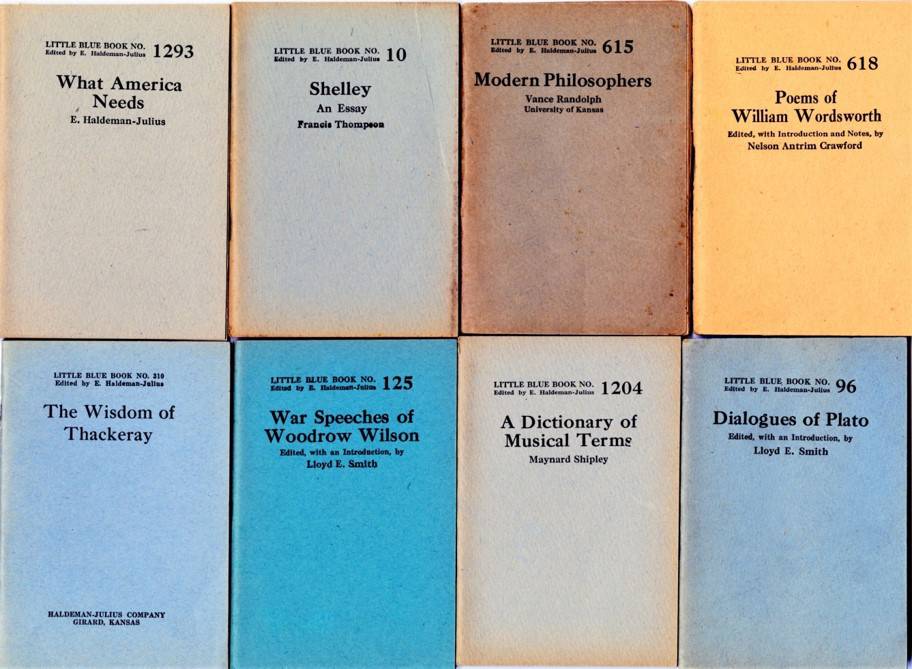
Book titles by Haldeman Julius
Your Title Research Process
Don’t settle on your first idea. Great titles require iteration.
Start by browsing Amazon in your category. Look beyond your immediate genre — sometimes the best inspiration comes from unexpected places. Write down phrases that catch your attention.
Create a list of 20-30 potential titles. Yes, that many.
Test them by asking yourself:
- Does this tell me exactly what problem the book solves?
- Is the target audience immediately clear?
- Would I remember this title after seeing 50 others?
- Does it include keywords my audience actually searches for?
Run your favorites through our book title generator for additional variations.
Keep refining until the last minute. You can change your title right up until publication — and even after, if needed.
Please suggest 10 title options using this format:
– Main title (2-5 words): Subtitle (detailed, keyword-rich explanation)
Focus on titles that promise specific outcomes and make the target audience immediately clear. Include relevant keywords that my readers would search for on Amazon.