You’re staring at a blank document, cursor blinking. The idea for your non-fiction book is solid, but translating it into 50,000 words feels overwhelming.
This is where prompts for writing a non-fiction book become your secret weapon. Not to replace your expertise — but to help you organize it, expand it, and present it clearly.
AI can generate substantial portions of a book, but it doesn’t possess your personal experience, expertise, judgment, or unique perspective. The strongest non-fiction books typically combine AI assistance with human insight and editing.
Brainstorming and Idea Generation
Most writers make the same mistake with brainstorming: they try to think of everything at once.
Your brain gets overwhelmed. Ideas scatter. Nothing sticks.
AI excels at structured brainstorming. It can take your core concept and help you explore it systematically — one angle at a time.
Start with your main topic. Then use AI to generate subtopics, questions your readers might have, and potential case studies or examples.
AI can also help you identify knowledge gaps. Feed it your outline and ask what’s missing. What would a reader need to know to fully understand your topic?
AI primarily works by identifying patterns and generating ideas from existing information. While it may occasionally produce unexpected combinations or perspectives, its greatest value usually comes from expanding and organizing ideas rather than creating entirely new breakthroughs.
Structuring Your Book
Structure separates readable books from meandering thoughts.
Most non-fiction follows predictable patterns: problem-solution, chronological, or step-by-step. AI can help you choose the right framework for your specific content.
Share your key points with AI and ask it to suggest organizational approaches. Should you start with the big picture or dive into specifics? Would your readers benefit from theory first or practical application?
AI can help suggest logical chapter structures and identify possible gaps or sequencing issues, though authors should review the flow based on their audience and goals.
Here’s a practical approach: create a detailed outline with AI’s help, then use our Book Topic Validator to test whether your structure addresses real reader needs.
Research and Fact-Checking
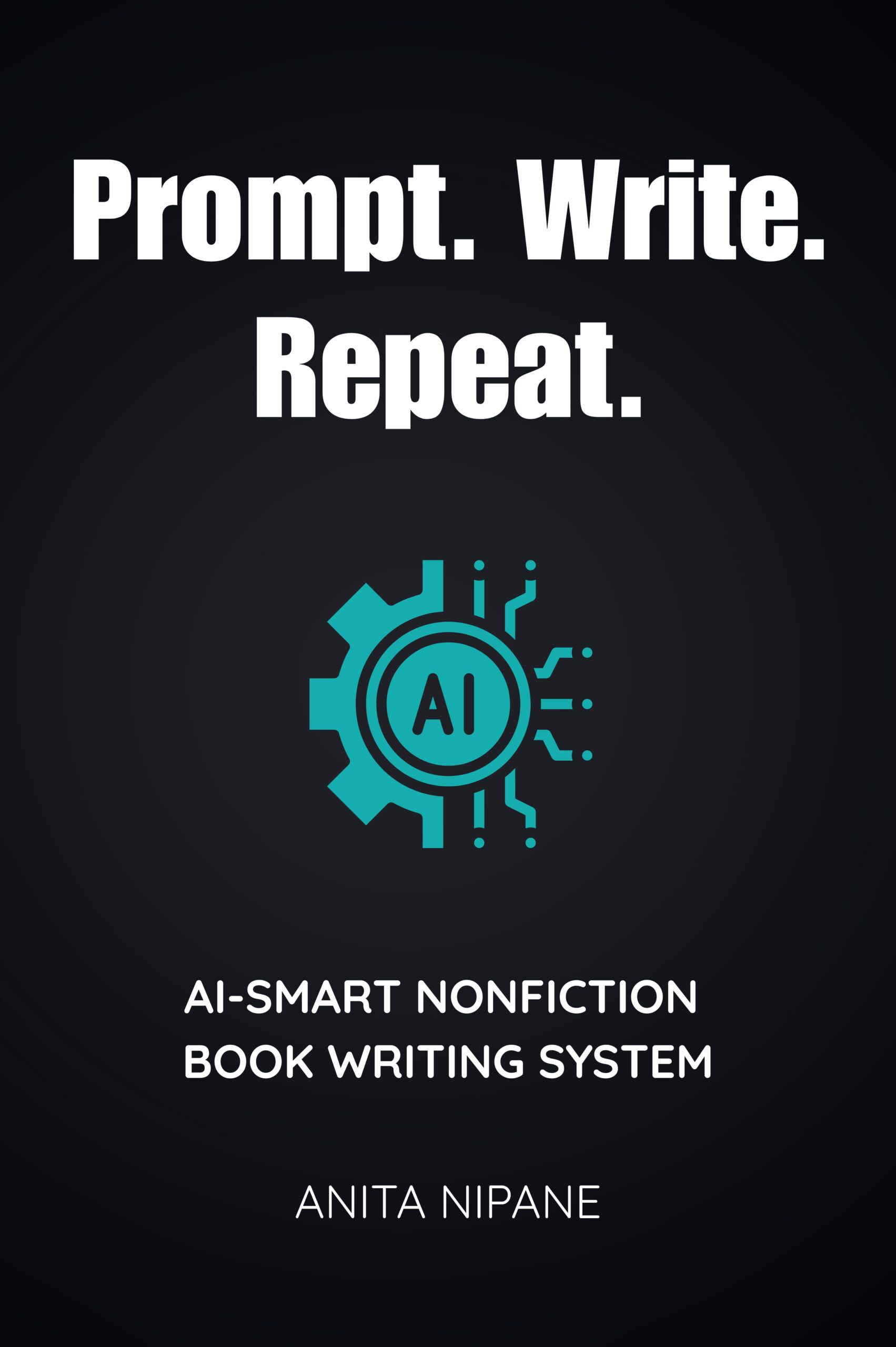
AI can accelerate research, but it can’t replace verification.
Use AI to identify research directions you might have missed. Feed it your thesis and ask what studies, statistics, or expert opinions would strengthen your arguments.
AI is excellent at explaining complex concepts in simpler terms. If you’re writing about technical topics, use AI to help you create clear analogies and examples.
Your job is to use AI for research direction, then verify everything through primary sources. AI suggests what to look for — you confirm it’s accurate.
For fact-checking existing content, AI can help identify claims that need citations. Paste your draft and ask it to flag statements that require evidence or sources.
Consider using specialized research tools from our AI Tools Directory that are designed specifically for academic and professional research.
Writing and Content Creation
This is where prompts for writing a non-fiction book get practical.
AI works best when you give it specific writing tasks. Don’t ask it to “write a chapter” — ask it to expand on a particular point, create transitions between sections, or rephrase unclear passages.
Use AI to overcome the blank page problem. When you’re stuck on a section, explain your main point to AI and ask it to suggest three different ways to introduce that concept.
For dialogue and examples, AI can help you brainstorm scenarios, but the specific details should come from your experience. AI can suggest the framework — you provide the authenticity.
Please help me:
1. Create 3 different opening paragraphs for this section
2. Suggest 2-3 real-world examples that would illustrate this concept
3. Identify potential objections readers might have and how to address them
4. Create smooth transitions to connect this section to the previous and next topics
My target audience is [DESCRIBE YOUR READERS]. Keep the tone [professional/conversational/authoritative] and focus on practical application.
Editing and Revising
AI editing isn’t about perfect grammar — it’s about clarity and flow.
Feed your draft to AI and ask specific questions: Where does the logic break down? Which sentences are unclear? What assumptions am I making that readers might not share?
AI can identify repetitive phrases, passive voice overuse, and unnecessarily complex sentences. It spots when you’re using jargon without explanation.
Use AI to test your explanations. Paste a complex section and ask AI to summarize it. If the AI summary misses your main point, your explanation needs work.
For structural editing, AI can help you identify chapters or sections that feel too long, too short, or disconnected from your main theme.
But remember: AI doesn’t understand your audience like you do. It might suggest changes that technically improve readability but lose your authentic voice or dilute your message.
Use AI suggestions as starting points, not final answers. The best edits come from understanding both what AI recommends and why those recommendations might not work for your specific book.
Formatting and Final Touches
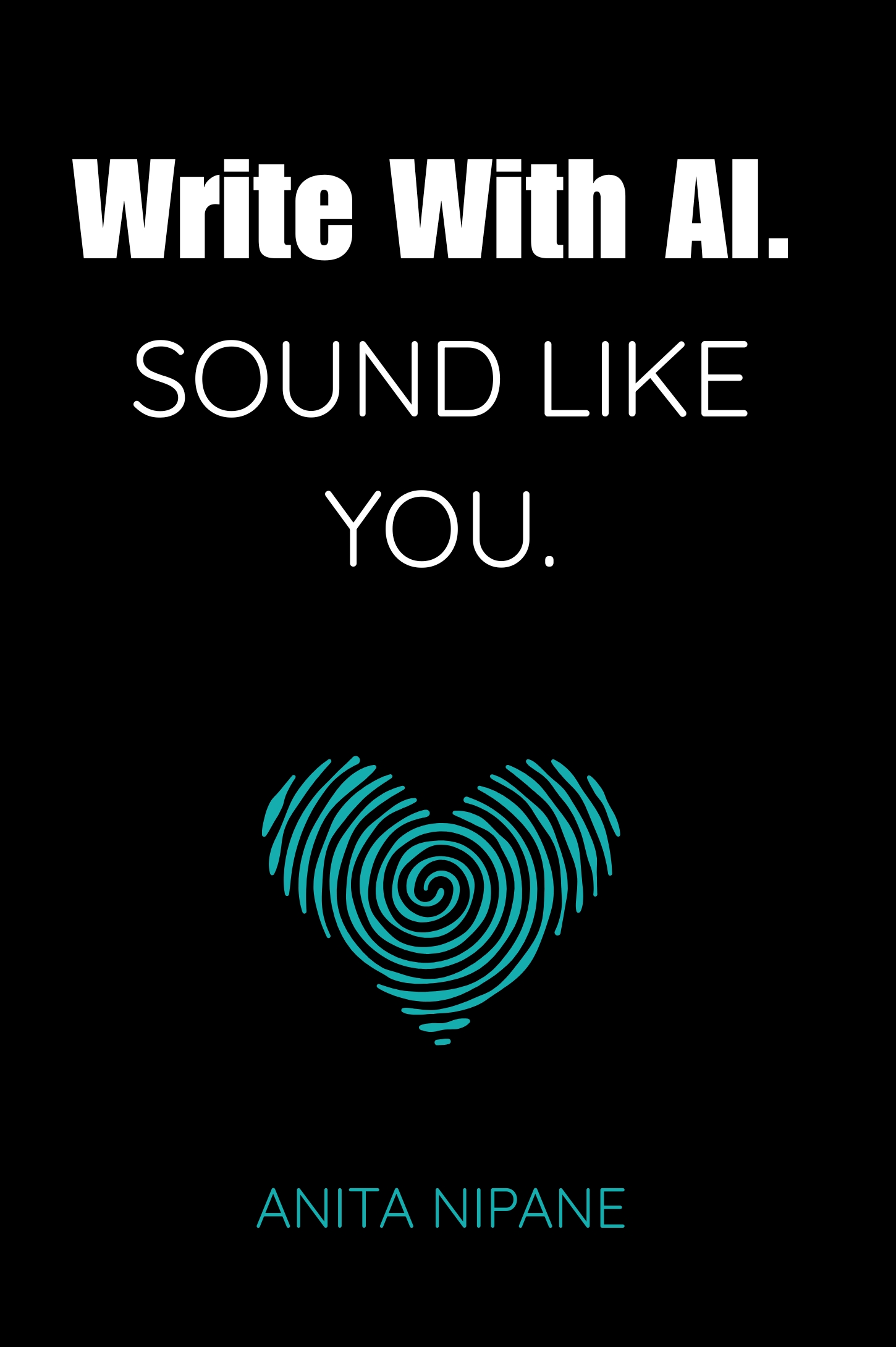
Professional formatting makes your content more accessible.
AI can help you create consistent headings, subheadings, and section breaks. It can suggest where to add bullet points, numbered lists, or callout boxes to break up dense text.
For chapter summaries and key takeaways, AI can help distill your main points into concise, actionable statements. Feed it a chapter and ask for the top three takeaways a reader should remember.
AI can also help with supplementary content: creating discussion questions, suggesting further reading, or developing practical exercises that reinforce your concepts.
When it comes to actual book formatting for publication, tools like Designrr can help you convert your manuscript into professional-looking ebooks and print books.
For final proofreading, AI can catch typos and formatting inconsistencies, but human eyes are still essential for context and nuance.
Consider the reader experience: AI can help you add navigation elements, cross-references between chapters, and clear section transitions that make your book easier to follow.
The goal isn’t to choose between AI assistance and human creativity — it’s to combine them strategically.
Use AI where it excels: organization, brainstorming, and structural clarity. Rely on your expertise for insights, examples, and voice.
Your book succeeds when readers can apply your knowledge to solve their problems. AI can help you organize and present that knowledge more effectively, but the value comes from your experience and understanding.
Start with small experiments. Use AI for one section, one chapter, or one specific challenge you’re facing. See how it fits your writing process before committing to AI-assistance for your entire manuscript.
The best non-fiction books combine clear structure with authentic insight. AI can help with the structure — the insight remains uniquely yours.